
Sometimes, you just have to speak up. While we at By Design typically focus on the beauty and positive aspects of creating stunning interiors, some industry practices demand a spotlight. Today, we’re calling out a significant issue: the bonded leather deception.
What is Bonded Leather, Really?
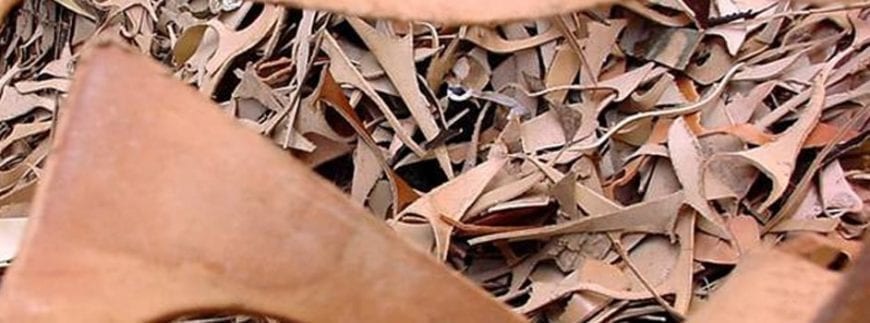
Bonded leather is an engineered product, and understanding its composition is key to recognizing the deception. Manufacturers create it by shredding leftover leather scraps and fibers, then mixing these remnants with a binding agent, most commonly polyurethane or latex. This mixture is then firmly adhered to a backing material, which is often fabric or paper, providing stability. To enhance its appeal and mimic genuine hide, the surface usually receives an embossing with a leather-like grain, and it’s then colored to further complete the illusion.
Crucially, despite its name, it is definitively not leather. We champion innovation and love helping our customers find cost-effective solutions. However, we draw a firm line when companies resort to misleading consumers. Misinformation has no place in ethical business.
Consider this recent industry statement promoting “Eco-Leather”:
Eco-Leather is “regenerated leather” that features a polyurethane top with a backing made largely of leather shavings.
An industry leader said the articles are 70% leather and can be legitimately sold as all-leather products.
Let’s dissect this claim. Can a product composed of 70% leather shavings, combined with 30% other materials, glue, and polyurethane, truly be called “leather”? We disagree. This labeling stretches the definition of “legitimate” to a breaking point and intentionally deceives consumers. It’s like serving “Pink Slime” and marketing it as “Prime Rib” – they are fundamentally different products.
Characteristics of Bonded Leather: What Consumers Should Know
Understanding the inherent characteristics of bonded leather helps to clarify its limitations compared to genuine leather:
- Appearance: On the surface, bonded leather can closely resemble genuine leather. Its embossed grain and diverse color options often give it a convincing initial look, making it a popular choice for furniture upholstery, bookbinding, and even some handbags or office chairs where a leather-like appearance is desired at a lower cost.
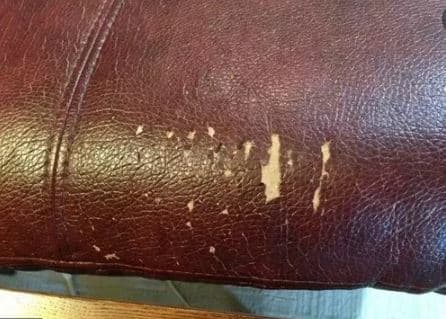
- Durability: This is where the primary distinction lies. Bonded leather is generally not as durable as genuine leather. Its multi-layer, composite construction means it’s more susceptible to wear and tear. Over time, particularly in high-use areas, consumers may notice issues like peeling, cracking, and fading. Unlike genuine leather, which develops a unique patina with age, bonded leather tends to degrade in appearance.
- Cost: Bonded leather is significantly more affordable than genuine leather, making it an attractive budget-friendly alternative for consumers seeking the aesthetic without the premium price tag.
- Breathability: Due to its synthetic binders and polyurethane topcoat, bonded leather typically isn’t as breathable as genuine leather, which can impact comfort, especially during warmer seasons.
- Environmental Impact: While it does reuse leather scraps, which is a positive in terms of waste reduction, the manufacturing process for bonded leather can involve various chemicals. This means it may not always be considered a truly sustainable or eco-friendly option, despite marketing efforts like “Eco-Leather.”
We can’t claim to know the exact motives behind this widespread misrepresentation, but the pursuit of profit seems a clear driving force. By creating a cheaper alternative and then obscuring its true nature, companies can either lower prices without acknowledging the compromise or, more likely, significantly inflate their profit margins. As the saying goes, “follow the money.”
Making an Informed Choice
So, here’s our commitment to you, our valued By Design customers and design partners: If, together, we decide a material like bonded leather is the best practical solution for a specific project, that’s a choice we can make. Perhaps it’s for a decorative piece, a rarely used guest room chair, or an item where budget is the absolute top priority and longevity is less critical.
But we must do so with complete transparency, acknowledging its true composition and limitations. Let’s not deceive ourselves. Bonded leather is a low-cost alternative. It possesses characteristics far more akin to vinyl or other plastic surfaces than it does to genuine leather. Our priority is always honest communication and ensuring you make informed decisions for your home, providing you with all the facts you need for lasting satisfaction.
Get in touch with our team of talented designers to help guide you to the right decision!
